
Marriage and Divorce in Islam: Rights, Procedures, and Responsibilities
Introduction to Marriage in Islam
In Islam, marriage is a sacred contract between a man and a woman, established through mutual consent. Its purpose is to create a bond of love, mercy, and tranquility, as ordained by Allah. While Islam encourages maintaining marital harmony, it also provides structured guidelines for divorce when reconciliation becomes impossible.
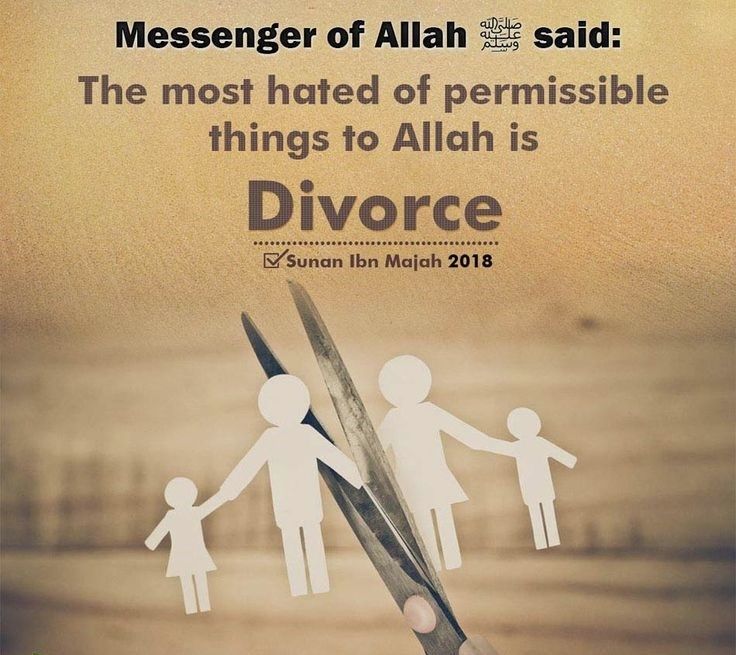
Islamic Perspective on Divorce
Allah discourages divorce but permits it as a last resort, ensuring justice and kindness throughout the process. The Quran outlines general principles for divorce in Surah Al-Baqarah (2:224-237), emphasizing fairness and patience.
Steps Before Divorce in Islam
- Reconciliation Through Arbitrators
- Before divorce, Allah advises appointing arbiters from both sides to mediate.
- If reconciliation fails, divorce procedures begin while maintaining dignity and respect.
Types of Divorce in Islam
1. Talaaq (Divorce Initiated by the Husband)
- The husband declares divorce verbally or in writing.
- A mandatory waiting period ('Iddah) of three months follows:
- No intimate relations are allowed during this time.
- If the wife is pregnant, the waiting period extends until childbirth.
- The husband remains financially responsible for his wife's upkeep during 'Iddah.
- The divorce can be revoked anytime before the 'Iddah ends, allowing reconciliation.
2. Khul' (Divorce Initiated by the Wife)
- If the wife seeks divorce without the husband's fault (Khul'), she may return her dowry (Mahr) to dissolve the marriage.
- If the husband is at fault, she can petition an Islamic judge for divorce with valid reasons (e.g., neglect, abuse, or unfulfilled marital duties).
Financial Rights and Responsibilities After Divorce
- Mahr (Dowry) Settlement:
- If the husband initiates divorce (Talaaq), he must pay the full dowry (if deferred).
- If the wife initiates divorce (Khul'), she may return the dowry.
- Post-Divorce Maintenance:
- The Quran mandates fair financial support for the divorced wife (2:241).
- The amount depends on the husband's financial capability and mutual agreement.
Custody of Children After Divorce
- Islam encourages parents to consult fairly regarding child custody (2:233).
- While some jurists suggest custody based on the child's age, the Quran does not specify strict age limits.
- The mother is often granted custody of young children, while the father remains financially responsible.
Misconceptions About Divorce in Islam
- "Men Have Absolute Power in Divorce"
- While men can initiate Talaaq, women have the right to seek Khul' or judicial divorce.
- The Quran ensures justice for both parties (2:228).
- "Women Have Fewer Rights in Divorce"
- Islam grants women financial and legal protections, including alimony and custody rights.
Conclusion: Justice and Compassion in Islamic Divorce
Islam provides a balanced approach to divorce, ensuring fairness and minimizing harm. The Quranic guidelines promote patience, mediation, and ethical conduct, safeguarding the rights of both spouses. Muslims are encouraged to seek knowledge from authentic sources to understand their rights and responsibilities in marriage and divorce.
Allah says (what means): "And when you divorce women and they fulfil their term [of their 'Iddah], either keep them according to reasonable terms or release them according to reasonable terms, and do not keep them, intending harm, to transgress [against them]. And whoever does that has certainly wronged himself..." (Quran 2:231).
This article clarifies Islamic rulings on divorce while dispelling common misconceptions. For further guidance, refer to Quranic teachings and reputable scholarly interpretations.